October 20, 2026
Maintaining the integrity of your roof is crucial, as it protects your home from environmental elements and ensures structural stability. This guide will help you identify the signs that warrant a closer look by roofing experts. Regular inspections can prevent small issues from evolving into costly repairs, emphasizing the importance of understanding these common indicators. Taking proactive steps is not just about maintaining your home's beauty; it's primarily about securing its safety and value. When homeowners remain vigilant, they can address minor wear and tear before it compromises the entire structure, preserving both financial investment and overall peace of mind.
1. Identifying Damaged or Missing Shingles
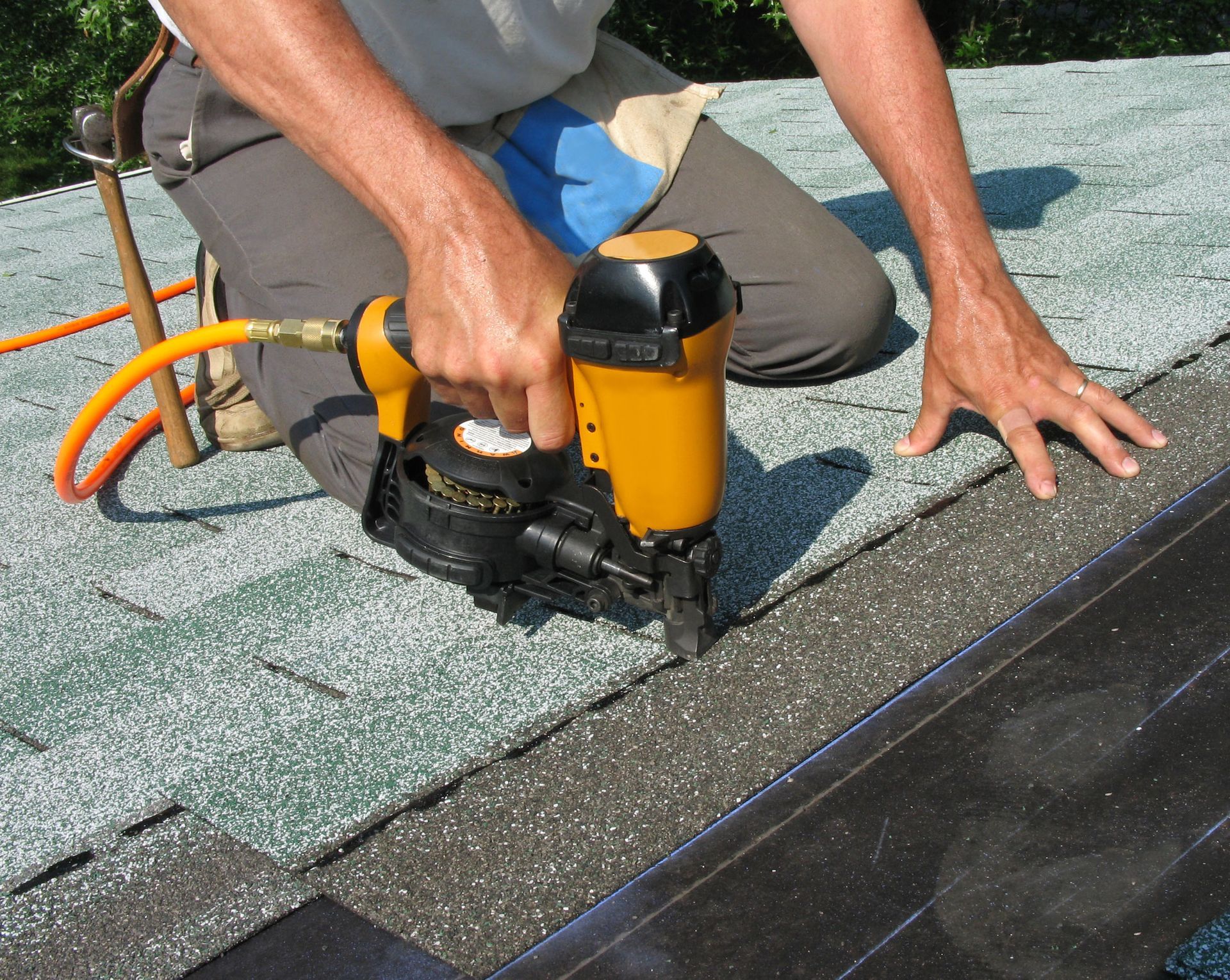
One of the most apparent signs that your home needs attention is the physical condition of its surface materials. Cracked shingles signify weathering and deterioration, indicating that parts of your home are susceptible to water damage. Missing shingles, on the other hand, expose your roofing structure directly to the elements, increasing the likelihood of deep structural harm. Shingles may also curl, lose granules, or discolor over time, all of which reduce their ability to protect your property effectively. A thorough examination of your roof's surface can reveal the full extent of these issues.
Granule loss is a critical factor often overlooked but highly indicative of an aging exterior system. Granules protect asphalt from harmful UV rays and harsh weather; their accumulation in gutters signals an urgent need for professional repair or full replacement. Discoloration can also result from prolonged moisture exposure or algae growth, affecting both appearance and performance. Comprehensive roofing Services address these issues by either repairing affected areas or installing an entirely new system. According to Industry Research and Market Analysts, replacement and re-roofing projects make up roughly 80% of total projects, more than new roof installations.
Curling shingles are a problem due to their complete ineffectiveness in safeguarding against wind-driven rain, underscoring the importance of immediate evaluation and repair. While missing shingles are straightforward to spot and rectify, they often mask underlying moisture retention that must be resolved first. Trained professionals assess whether targeted repairs or full replacements better suit the overall scope of damage. Ensuring that all surface components are intact and fully functional remains essential for long-term protection, resilience, and exterior health.
2. Addressing Noticeable Roof Sagging
Roof sagging is an ominous sign that points directly to underlying structural weaknesses. It often suggests severe problems with internal trusses, decking, or support beams due to prolonged water exposure or improper initial construction techniques. The presence of a visible dip signals that the structure is no longer supporting its weight adequately, requiring immediate professional intervention. If left unaddressed, the structural integrity of your entire house can be compromised. Timely repairs prevent potential collapse, which jeopardizes resident safety and leads to exorbitant restoration costs.
Heavy accumulation of snow, ice, or lingering debris further exacerbates sagging by adding immense strain to an already burdened framework. This makes routine maintenance indispensable, especially before and after periods of severe weather. Clearing the top of your house of excessive weight prevents cascading structural damage and prolongs the system's operational lifespan. Professional evaluations help property owners identify structural load issues early, allowing for strategic reinforcement before minor dips transform into catastrophic failures.
Water pooling is a common symptom of severe drainage challenges that frequently leads to structural sagging. Proper drainage is an essential component in maintaining structural balance, enabling the surface to shed heavy rainfall efficiently without enduring standing moisture. Excess pooling creates immense localized pressure that causes leaks or worsens pre-existing weak spots. Correcting sagging necessitates structural repairs alongside comprehensive enhancements to the surrounding drainage system, ensuring long-term resilience against moisture infiltration.
3. Spotting Visible Signs of Water Damage
Water damage is a prevalent warning sign that a building requires immediate repair or structural updates. Stains on interior ceilings and upper walls often serve as troubling indicators of active, ongoing leaks. Ignoring these discoloration spots allows conditions to deteriorate rapidly, leading to rotted framing, compromised drywall, and escalating restoration expenses. Furthermore, persistent moisture fosters mold and mildew, which present notable health risks to occupants while damaging internal finishes. Recognizing early signs of moisture invasion ensures rapid intervention, preserving interior safety and structural integrity.
Peeling paint or blistering wallpaper often results from elevated humidity levels creeping into interior spaces due to undetected leaks. These aesthetic issues signal deeper moisture migration that affects overall livability and property market value. Addressing these warning signs promptly stops moisture from spreading further into wall cavities and structural framing. Consistent exposure to dampness accelerates material decay and complicates remediation efforts, making proactive leak localization essential for maintaining a healthy interior environment.
Persistent, musty odors in attics or upper-floor rooms indicate hidden damp zones caused by minor, unseen leaks. These lingering smells are clear indicators of moisture trapped behind insulation or structural boards. By recognizing these sensory warning signs, homeowners can engage experts to locate and rectify the precise source of water intrusion. Proactive management of water damage preserves foundational strength and interior comfort, reinforcing the necessity of routine professional evaluations to keep the property dry and secure.
4. Managing Increased Energy Bills
Unexplained spikes in monthly heating and cooling costs can frequently be traced directly to exterior structural defects. When an overhead protective layer is damaged, it compromises the building's thermal envelope, causing HVAC systems to work overtime to regulate interior temperatures. Inadequate insulation and unexpected gaps allow conditioned air to escape while permitting outside air to enter, driving up energy consumption year-round. Identifying and resolving these thermal inefficiencies through targeted structural care leads to substantial, long-term utility savings.
Drafty airflow near upper levels signifies breaches in the building envelope, often caused by loose structural seals or failing ventilation components. These drafts create noticeable temperature inconsistencies across different rooms, signaling problem areas that require detailed inspection. If left unaddressed, thermal leakage forces heating and cooling units to run continuously, increasing operational wear on equipment and raising monthly expenses. Sealing these gaps restores thermal integrity, dramatically improving overall home energy efficiency and indoor comfort.
Inadequate ventilation impedes a property's natural ability to regulate heat and moisture levels within the attic space. Mitigating ventilation problems involves clearing blocked intake vents and ensuring continuous airflow through ridge structures. Beyond inflating energy bills during extreme hot or cold seasons, poor ventilation causes trapped humidity to condense on structural timber, encouraging mold growth and wood decay. Establishing balanced airflow through professional roofing Services optimizes energy performance while protecting internal framing from moisture-induced degradation.
5. Repairing Daylight through Roof Boards
Observing daylight penetrating through interior boards in an attic is an undeniable indicator of structural compromise. This sight confirms the existence of physical holes or gaps, creating an open pathway for rainwater, wind, and pests to enter the home. While visible light shafts are easy to spot during daytime inspections, they frequently indicate broader structural vulnerabilities that require immediate professional sealing. Loose or missing fasteners accelerate these gaps, increasing the home's susceptibility to severe weather events.
Loose nails, decayed decking, and improper historical installations create unexpected openings across the overhead boundary. A comprehensive professional assessment pinpoints these less obvious defects, ensuring every opening is securely sealed. Specialized areas around chimneys, skylights, and valley flashings require extra scrutiny, as these intersections are inherently vulnerable to water pooling and thermal expansion. Using trusted contractors ensures proper installation techniques, preventing structural openings from reopening during subsequent storm seasons.
Investing in reliable
roofing Services delivers peace of mind and long-lasting protection for the entire residence. Property owners who proactively monitor system age avoid the stress and extra costs associated with sudden, severe structural failures. By scheduling detailed assessments with skilled professionals, you ensure your property remains safe, energy-efficient, and fully protected. For more information about the services that we offer, reach out to our incredible team at Bruno Roofing & Siding today!